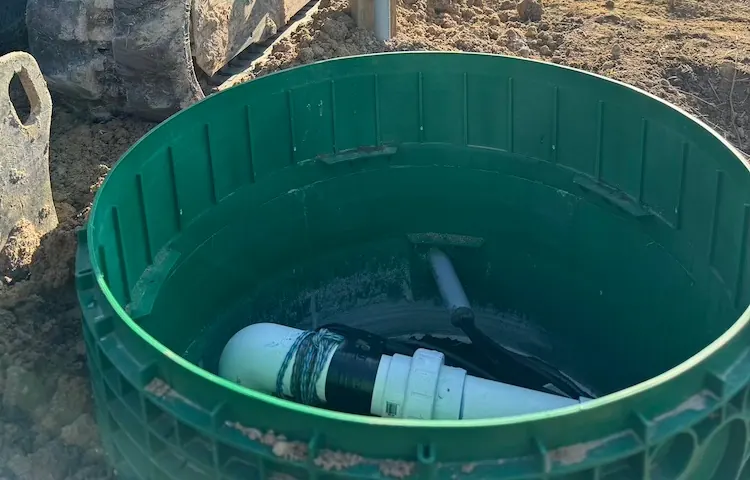
When does a septic system in Augusta need a pump tank?
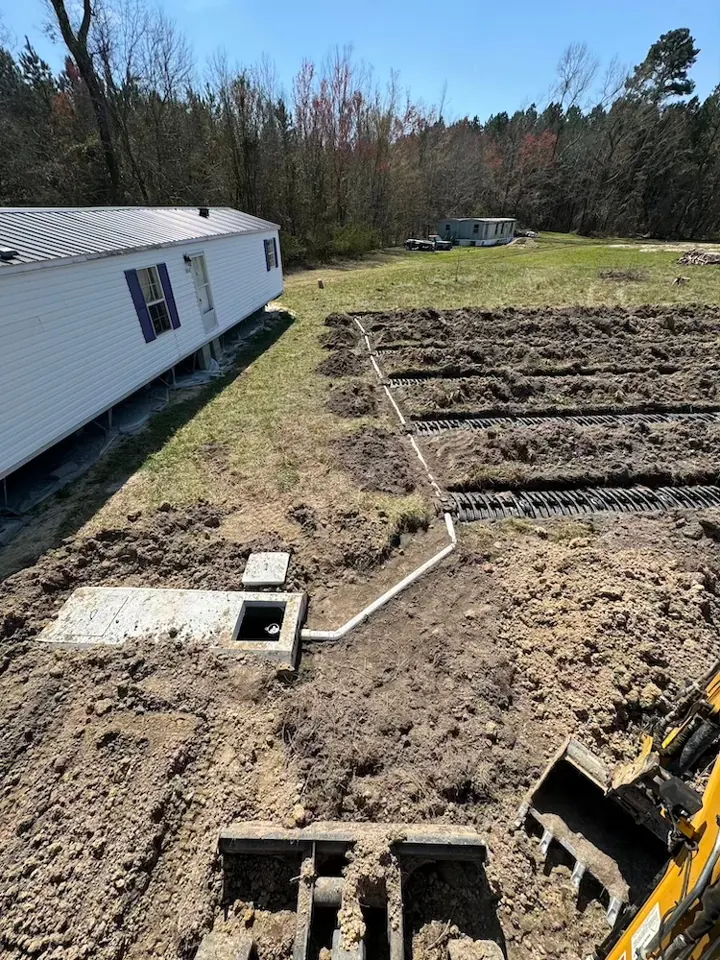
When gravity cannot carry the effluent from the septic tank to the drain field, or when the design calls for dosing the field under pressure. The pump tank sits after the septic tank, collects clarified effluent, and an effluent pump sends it to the field in doses controlled by floats.
That happens on lots where the best soil is uphill from the house, on homes set low near a creek, and on sites where shallow or wet soil means effluent has to be spread thinly over a larger area. Georgia's rules cover these parts in a section on distribution devices and dosing tanks, and the county permit spells out what your site gets.
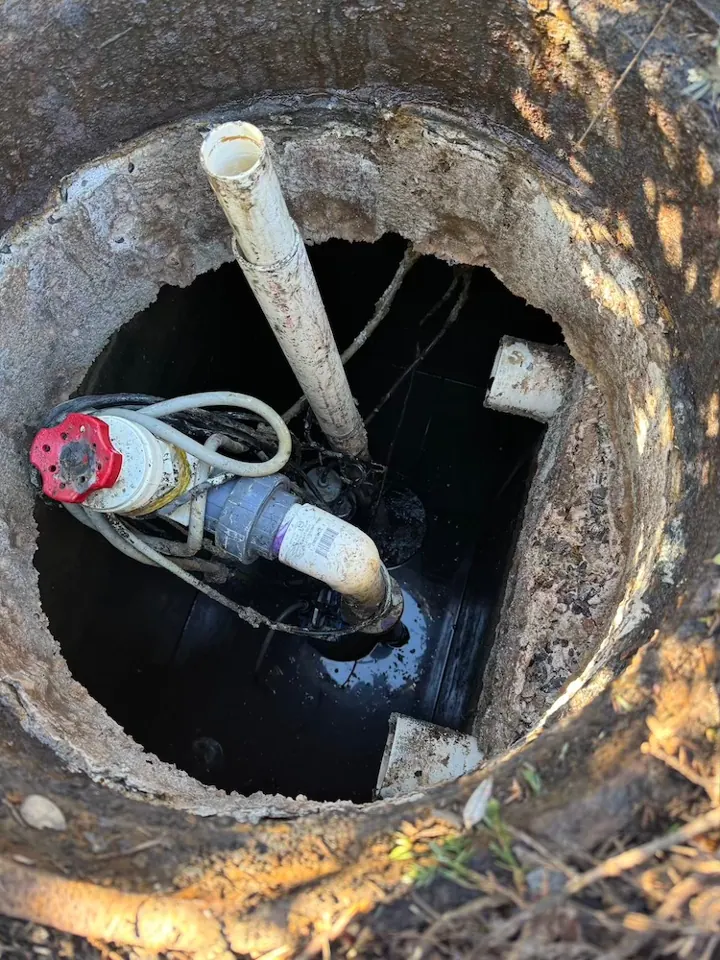
What parts make up a pump tank system?
A second tank or compartment, an effluent pump, a set of floats, a control and alarm panel, a riser to grade, and a pressure line to the field.
| Part | What it does |
|---|---|
| Pump tank | Holds clarified effluent after the septic tank so the pump never sees heavy solids. |
| Effluent pump | Pushes each dose to the field. |
| Floats | Tell the pump when to start and stop, and trip the alarm on high water. |
| Control and alarm panel | Mounted on a post or the house, with a light and buzzer you can see and hear. |
| Riser and lid | Brings access to grade so the pump can be serviced without digging. |
| Pressure line | Carries the dose uphill or across the yard to the distribution point. |
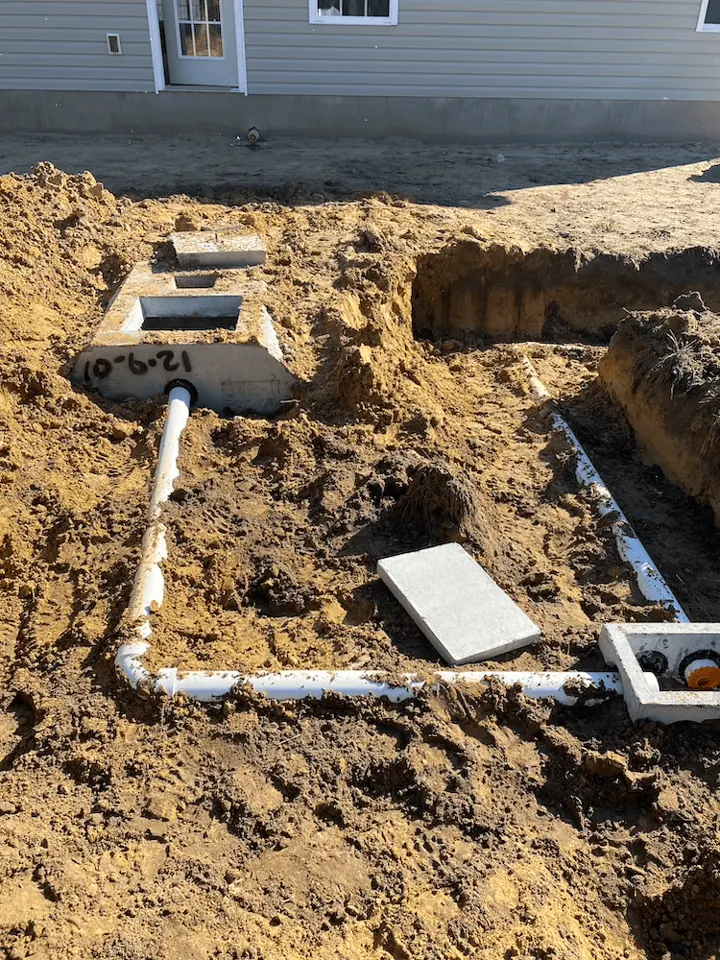
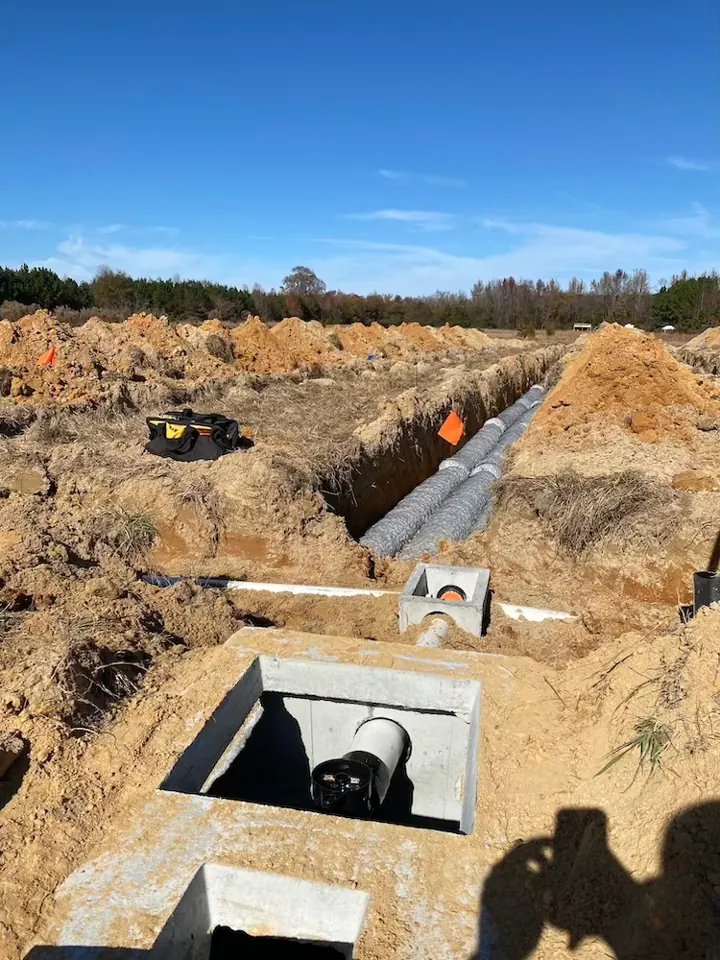
How is a pump tank installed?
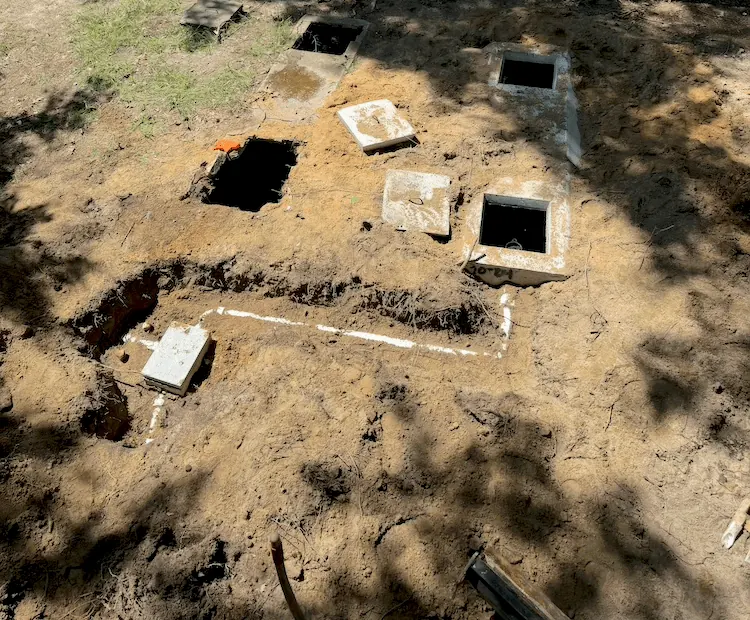
It is set level after the septic tank, plumbed with a discharge line to the field, wired to a panel with a separate alarm circuit, tested with water, and inspected before backfill.
Size from the permit
Tank volume, pump, and float settings follow the approved design.
Set the tank
Level, on firm bottom, with the inlet below the septic tank outlet so effluent flows in by gravity.
Pump, floats and riser
The pump is hung so it can be pulled from the riser without entering the tank. Floats are set to the design dose.
Pressure line
Run to the field with a slope that drains back where the design calls for it.
Panel and power
Pump and alarm on separate circuits, panel mounted where you will notice the light.
Test and inspect
We run water through and check the cycle. Rule 511-3-1-.03(4) bars backfill until the final inspection.
Electrical work at the house panel must meet code and may need its own permit. Ask us who handles it on your job.
What happens when an existing septic pump fails?
The alarm sounds, the pump tank fills, and you have limited reserve before it backs up. We check power and floats first, then pull and replace the pump if it has failed.
Before installing a new pump, we look at why the old one quit. A tank that is overdue for pumping can send solids forward and kill a pump early. A float hung up on a cord can make it run dry. Fixing the cause is part of the job. If the panel is old, we may recommend replacing it with the pump so the alarm is reliable. And if the septic tank ahead of the pump is cracked or letting groundwater in, that is a tank replacement job, and a new pump alone will not last.
Which Augusta lots are most likely to need a pump?
Lots where the house sits below the usable soil, and lots where wet ground limits how deep the field can go. Both show up on either side of the Fall Line.
The New Georgia Encyclopedia describes clay soils and narrower stream valleys upriver of Augusta, which is why pumped systems come up often on rolling lots in Columbia County. A house set down in a valley may have its best soil up the slope. On flatter sandy ground, hillside seeps and stream terrace soils can bring the water table up in winter and spring, as the USDA Sand Hills description and the Augusta soil series description both note. A pump lets the field sit where the soil allows, not where gravity forces it.
What does living with a pump tank involve?
Knowing what the alarm looks and sounds like, keeping the panel and riser lid accessible, and having both tanks checked when the septic tank is pumped.
Test the alarm now and then if your panel has a test button, so you know it works. Never plant shrubs over the riser or bury the lid; the pump has to come out for service someday. If you lose power for a long stretch, go easy on water until it returns, because the pump cannot send effluent to the field without it.