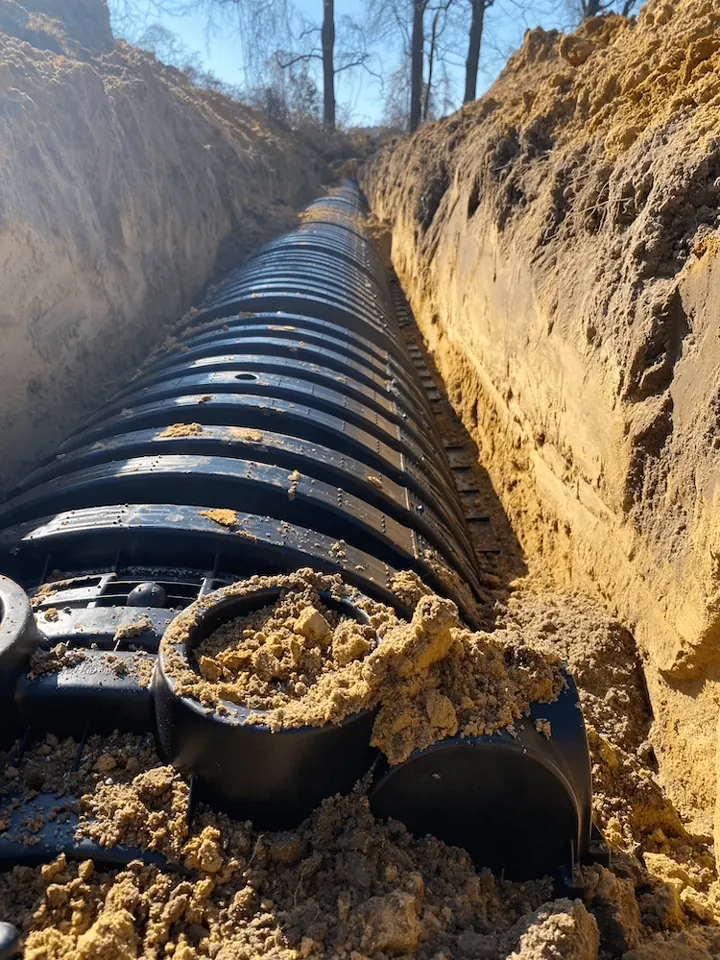
What does a perc test decide on an Augusta lot?
It is the check that tells the county whether your soil can take septic effluent and how big the field must be. In Georgia it is done as a soil evaluation by a classifier certified by the Department of Public Health, and the county will not issue a septic permit without favorable findings.
Rule 511-3-1-.03(7) requires soil evaluations to be performed by certified individuals. Rule 511-3-1-.03(3) says permits are issued only after a site inspection shows favorable absorption, soil and groundwater conditions, judged under the state's manual for on-site systems.
Where to start the paperwork depends on the county the lot sits in:
Richmond County (Augusta, Hephzibah, Blythe)
East Central Health District office, Georgia Department of Public Health
1916 North Leg Road
Augusta, GA 30909
Main line: 706-667-4250. Ask for environmental health about a septic permit.
Columbia County (Evans, Martinez, Grovetown, Harlem, Appling)
Columbia County Health Department
Phone: 706-868-3330, the number the county's own permit packets give for septic tank and well permits.
Source: Columbia County permit packet.
What does the soil classifier look for?
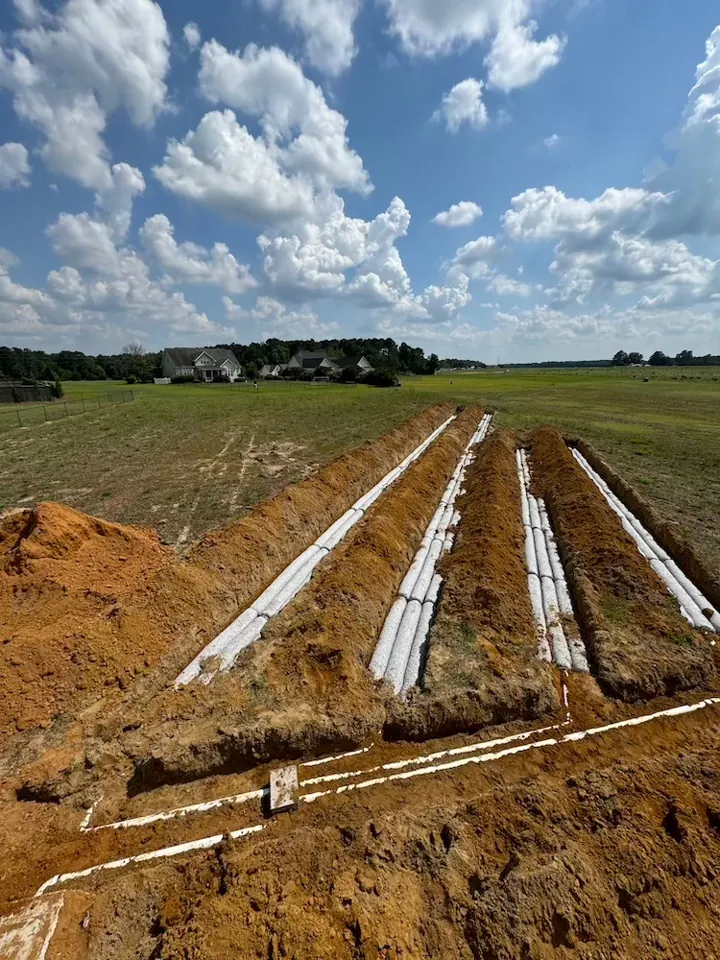
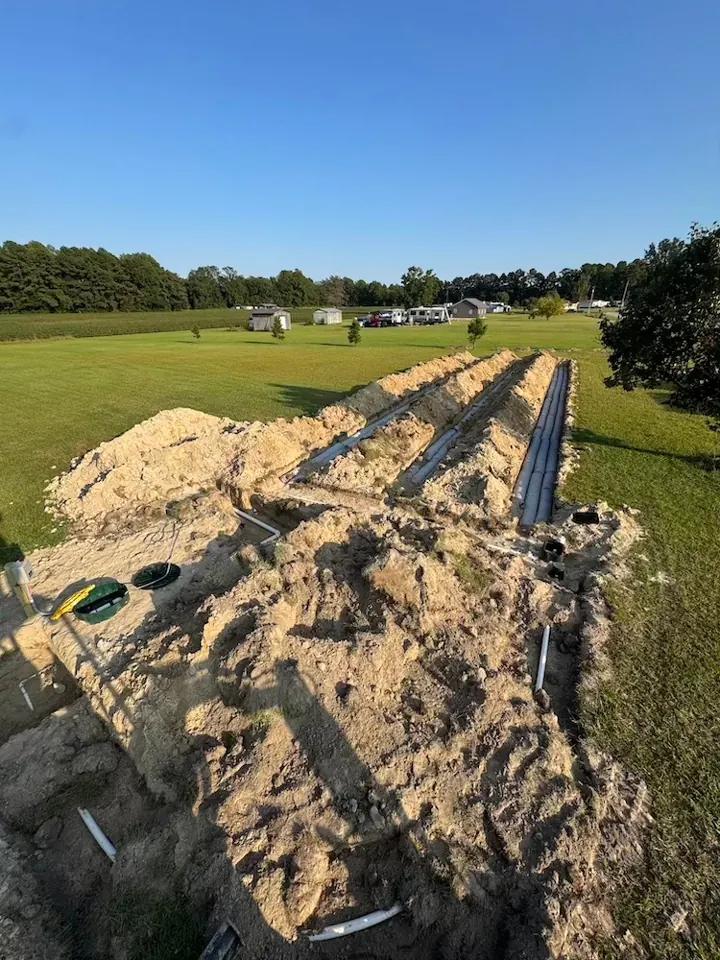
The layers of soil down to a restrictive layer, the texture of each layer, how fast water will move through it, and any sign of a seasonal water table, such as gray mottled soil.
Those findings set the depth of the trenches, the length of the field and whether a standard system will work at all. A sandy layer over clay can be fine if there is enough of it. A gray, mottled layer a foot down is a warning that water sits there part of the year.
Gray or mottled soil close to the surface often marks where a seasonal water table rises. That is the single most common reason a field has to be shallower or larger.
What soils show up on Augusta lots?
Three kinds come up most: stream terrace soils like the Augusta series, sandy ground with hillside seeps, and red Piedmont clay.
Sand Hills ground
The USDA lists Augusta's Daniel Field and Bush Field as climate stations in its Sand Hills site descriptions. The USDA ecological site description for the Sand Hills describes soils that start sandy or loamy at the surface and get finer with depth. The same source notes hillside seep sites where a seasonal high water table sits within a foot of the surface from November through April. Sandy ground often takes water well, but a seep on the slope changes the picture.
Stream terraces
The Augusta soil series forms on stream terraces in the Southern Piedmont and Upper Coastal Plain. It is somewhat poorly drained, with a seasonal high water table 12 to 24 inches deep from December through May. Lots on flat ground near creeks often have soils like it.
Piedmont clay
Upriver and toward Columbia County, clay soils and narrower stream valleys are the rule, as the New Georgia Encyclopedia notes. Clay holds water longer, so fields tend to be longer, and sloping lots may need a pump to reach the best ground.
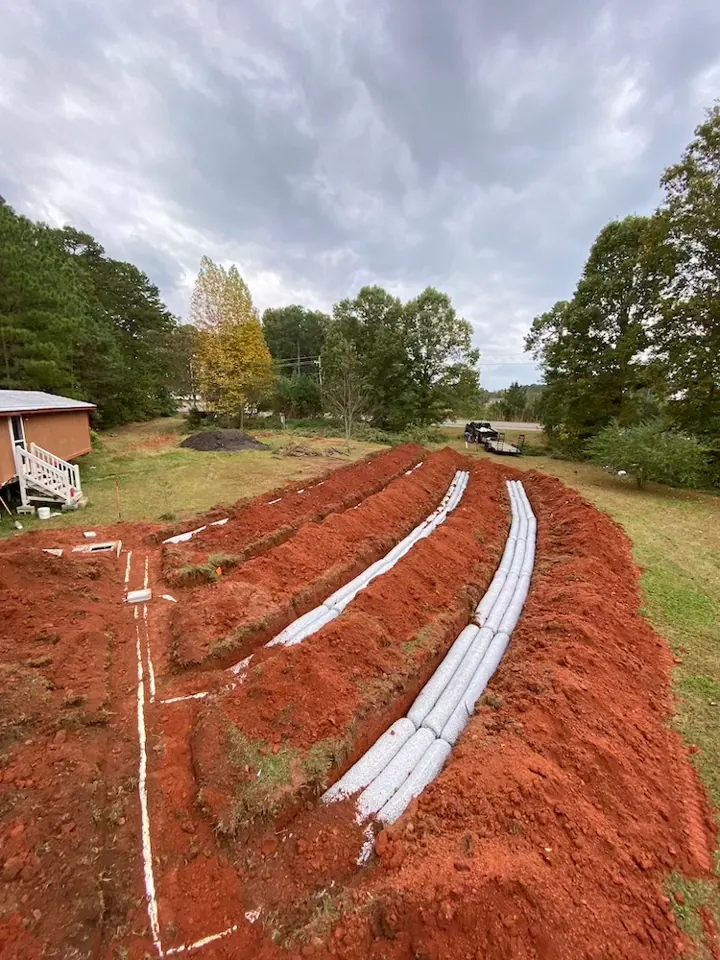
When in the process should the soil be evaluated?
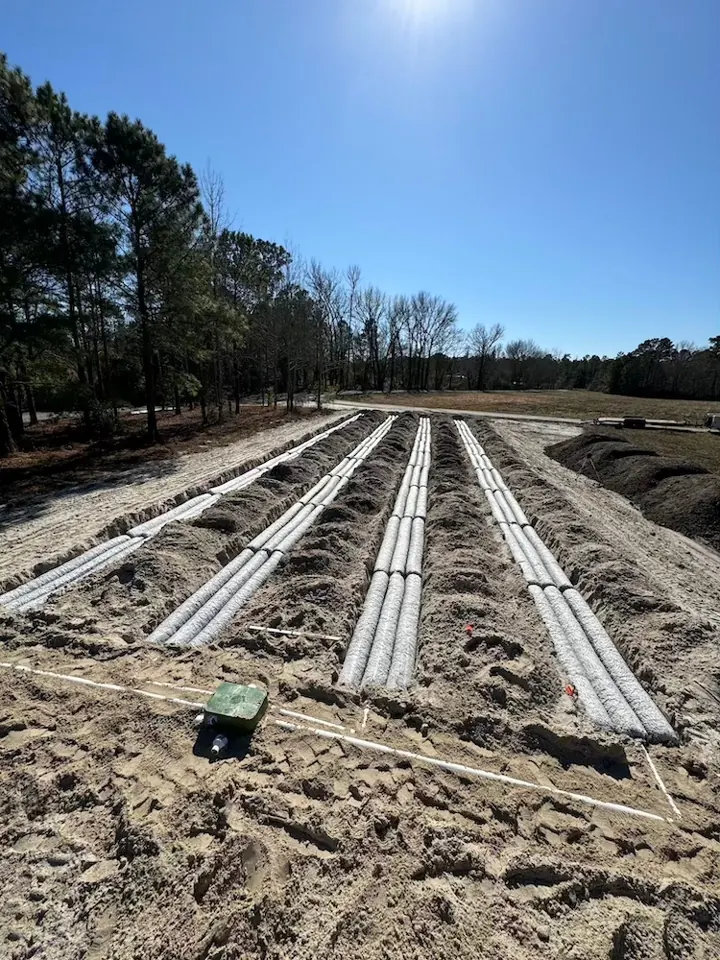
Before you buy the land if you can, and always before you set the house pad. The evaluation can move the house.
Make the contract contingent
If you are buying, write in time for a soil evaluation.
Mark two candidate areas
We help pick high, well drained ground clear of wells and creeks.
Classifier visit
Borings or pits are logged and the classifier writes the report.
County review and permit
The environmental health office reviews the report with your site plan and bedroom count.
Protect the area
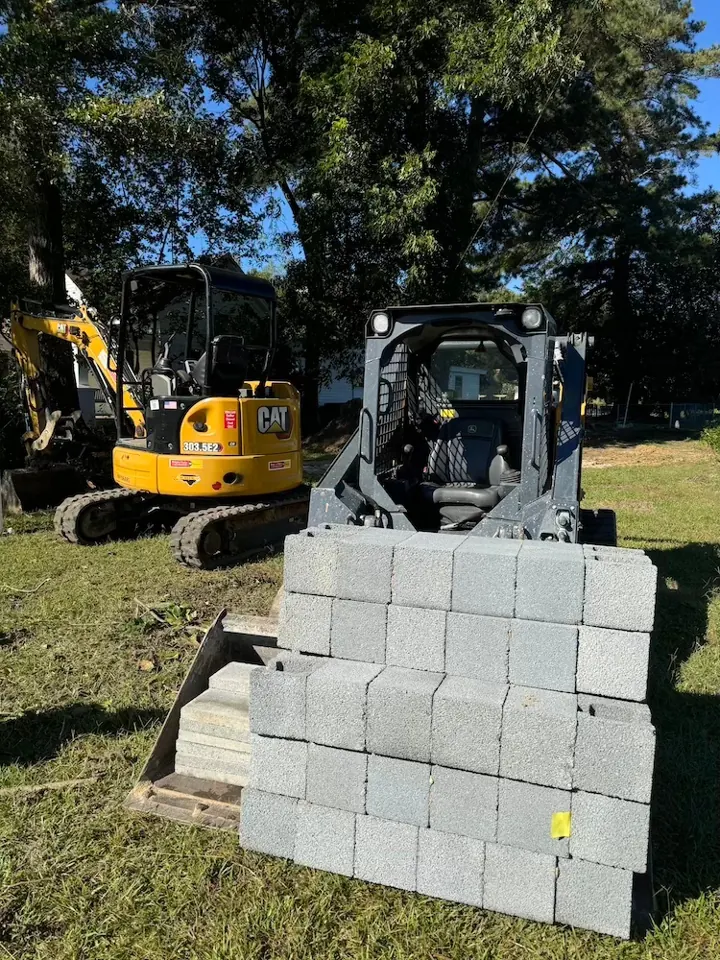
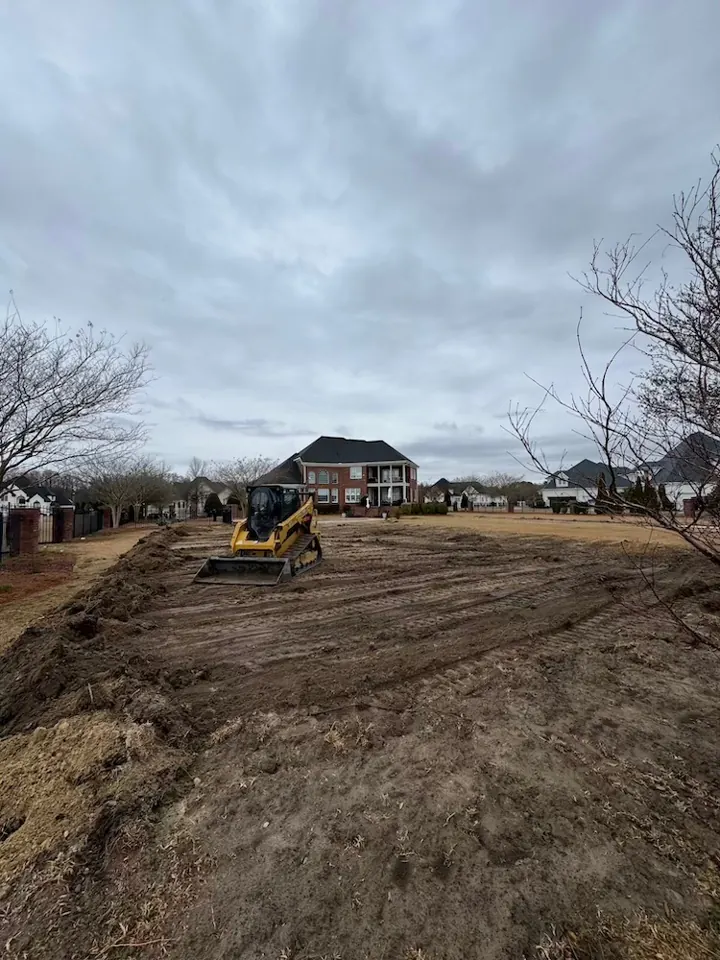
No grading, parking or stockpiles on the approved field until it is installed.
What are the options if a lot does not pass?
Try another spot, change the design, or walk away from the lot. Which one depends on why it failed.
A shallow water table may allow a shallower field or a mound. Slow soil may allow a longer field or pressure dosing from a pump tank. Georgia's rules include a section on alternative on-site systems, and the county decides which ones fit the site. What no one can do is install a standard field in ground that the evaluation says will not take it.
What should you have ready for the soil evaluation?
A plat or survey, a rough idea of where the house and driveway will go, the bedroom count, and the location of every well on or near the lot.
The classifier needs to evaluate the ground where the field will actually go, so a house plan that later moves 80 feet can mean a second evaluation. Wells matter because a drain field must sit at least 100 feet from any existing or proposed well under Rule 511-3-1-.07(3). If you plan to drill a well, mark where it will go before the evaluation.
Clear enough brush for the classifier and any machine to reach the test spots, but do not grade or strip the area. The soil they log has to be the soil that will be there when the system goes in. Run your candidate spots through the setback planner first so no one evaluates ground that cannot be used.